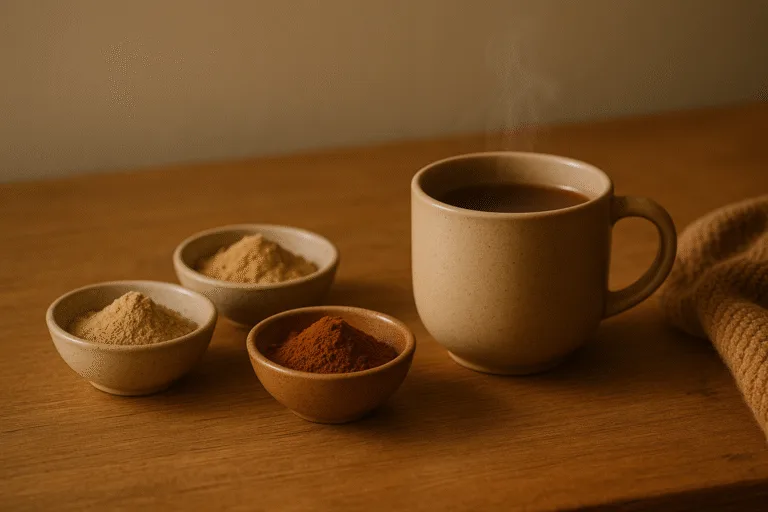

inflammation and stress: understanding their connection and how functional mushrooms support calm, balance, and daily wellness
Stress affects more than your mood. When your mind feels tense, overwhelmed, or emotionally pressured, your body responds physically. One of the most important — and often overlooked — effects of stress is its connection to inflammation. These two processes are deeply linked, constantly interacting and influencing each other.
This is why when people feel stressed for long periods, they often experience physical symptoms: tension, digestive discomfort, fatigue, headaches, irritability, skin flare-ups, or trouble sleeping. The stress-inflammation cycle becomes a loop that feeds itself, making your body and mind feel stuck in overdrive.
Functional mushrooms have gained popularity because they support emotional balance, grounding, and overall wellness — key components of managing the stress-inflammation connection naturally. This article explains how stress and inflammation interact, why modern life intensifies the cycle, and how mushroom-based rituals can help create calm and balance.
Everything here is AdSense-safe, focused on wellness habits, grounding practices, and natural routines.
Why Stress and Inflammation Are Connected
Stress and inflammation are not separate processes. They influence each other directly.
When you feel stressed, your body activates an internal alarm system. This system releases hormones that keep you alert and ready to respond. This is useful in dangerous situations — but most modern stress is psychological, not physical.
Once the stress response turns on, the body creates signals that can trigger physical tension and inflammatory activity.
At the same time, when inflammation rises in the body, it sends signals back to your brain that can affect mood, focus, emotional resilience, and mental clarity.
This creates a cycle:
stress → triggers inflammation
inflammation → increases stress
If you never fully relax or regulate your nervous system, the cycle continues every day.
A strong inflammation and stress wellness strategy focuses on interrupting this loop.
Stress: The Mental Trigger That Affects the Body
Most people think of stress as a mental experience, but it has physical consequences.
Stress often appears as:
racing thoughts
mental pressure
worry
irritability
overwhelm
difficulty focusing
emotional exhaustion
But beneath the surface, stress also affects:
breathing patterns
muscle tension
digestion
sleep rhythm
circulation
energy levels
This is why emotional stress can feel like:
tight shoulders
stomach discomfort
jaw tension
restlessness
head pressure
fatigue
Your body is responding to your thoughts.
Inflammation: The Body’s Response That Affects the Mind
Inflammation is a natural response. It helps your body repair itself and stay healthy. But when inflammation stays elevated for too long, it can affect mental and emotional balance.
People describe inflammation-driven stress as:
feeling “off”
low mood
brain fog
irritability
slower thinking
low energy
difficulty winding down
Inflammation sends signals to your brain that something isn’t right — which can feel like emotional heaviness or internal pressure.
This explains why inflammation and stress are so deeply connected.
Modern Life Makes the Cycle Worse
Certain modern habits intensify both stress and inflammation:
constant notifications
lack of rest
high workload
sitting all day
processed foods
irregular meals
poor sleep
multitasking
digital overstimulation
rushing
chronic worry
Your nervous system rarely gets a break, and your body remains in a reactive state. Over time, the stress-inflammation cycle becomes your default.
This is why small, grounding rituals — including functional mushrooms — can make such a big difference.
How Functional Mushrooms Support Stress and Inflammation Balance
Functional mushrooms help by supporting emotional calm, grounding the body, supporting energy regulation, and encouraging balance in your daily rhythm.
Here are the mushrooms most commonly used in inflammation and stress routines.
Reishi: The Emotional Softening Mushroom
Reishi is ideal for unwinding in the evening or after a stressful day. It supports:
calm feelings
deeper relaxation
a sense of emotional safety
gentle unwinding
softer internal tension
Stress tends to tighten the nervous system. Reishi encourages it to relax.
Lion’s Mane: The Clarity and Mind-Organizing Mushroom
Lion’s Mane helps people feel mentally clearer and more present.
It supports:
mental organization
emotional steadiness
better transitions between tasks
reduced overthinking
Stress often causes mental clutter. Lion’s Mane helps soften that clutter.
Chaga: The Earthy, Grounding Mushroom
Chaga feels warm, dark, grounding, and stabilizing.
It supports:
steady focus
calmer energy
emotional grounding
a centered internal state
People who feel scattered or overstimulated often benefit from Chaga rituals.
Cordyceps: The Smooth Energy Mushroom
Stress-related fatigue is extremely common. Cordyceps supports:
consistent energy
gentle motivation
smooth daily flow
steady rhythm
Low energy can worsen stress. Smooth energy improves resilience.
Together, these mushrooms create a supportive environment that can help break the stress-inflammation loop.
Daily Rituals That Support Stress and Inflammation Balance
Functional mushrooms work best when they are part of a routine, not a one-time effort.
Here is a full-day approach to managing inflammation and stress through wellness rituals.
Morning Ritual: Set the Emotional Tone
Drink water
Open the curtains or step outside
Make a warm mushroom drink (Lion’s Mane, Chaga, or Cordyceps)
Do a 60-second breathing reset
Move slowly during the first 10 minutes of your morning
Warmth + breath + slow transitions tell your nervous system, “We’re not rushing today.”
Mid-Morning Regulation: Avoid the Build-Up
Do soft stretches
Drink water again
Clear your desk to reduce visual tension
Take a short walk or do deep breathing
Microdose Lion’s Mane if desired
Small resets reduce stress accumulation.
Afternoon Support: Prevent the Emotional Drop
Afternoons are when people often feel overwhelmed or exhausted.
Prepare a warm Chaga or Cordyceps drink
Take a movement break
Use soft breathing with long exhales
Simplify your task list
Reduce multitasking
Consistency keeps your internal rhythm steady.
Evening Unwind: Release Stress Before Sleep
Dim lights
Turn off unnecessary notifications
Prepare a Reishi drink
Read or journal
Take a warm shower
Slow your breathing
Avoid bright screens
Evenings are the most important time for breaking the stress-inflammation loop.

Easy Mushroom Drinks for Stress and Inflammation Balance
Reishi Nighttime Relaxation Latte
reishi
warm oat milk
vanilla
touch of cinnamon
Great for unwinding.
Chaga Grounding Cacao
chaga
cacao
warm milk
nutmeg
Warm and stabilizing.
Lion’s Mane Focus-Smoothing Blend
lion’s mane
warm water or milk
touch of cinnamon
Reduces mental clutter.
Cordyceps Afternoon Flow Cup
cordyceps
ginger tea or warm milk
tiny bit of honey
Smooth energy without spikes.
These drinks anchor your daily routine.
Other Habits That Reduce Stress and Inflammation
Functional mushrooms are powerful, but combining them with lifestyle habits creates the strongest results.
hydration
consistent sleep
light movement
reduced screen time
breathing exercises
slow, mindful eating
reducing clutter
warm lighting
emotional labeling (“I feel overwhelmed”)
taking mini pauses
Your nervous system responds to safety, rhythm, and predictability.
Signs the Stress-Inflammation Loop Is Improving
You will notice changes such as:
calmer mood
smoother breathing
less mental heaviness
more stable daily energy
better emotional resilience
easier focus
less tension in the body
improved sleep rhythm
Small changes compound into powerful wellness benefits.
Final Thoughts
The connection between inflammation and stress is deeply intertwined. When your mind feels pressured, your body reacts. When your body feels overwhelmed, your mind responds. It is a feedback loop — but one that can be softened through consistent rituals.
Functional mushrooms such as Reishi, Lion’s Mane, Chaga, and Cordyceps support emotional balance, grounding, and steady daily energy. When combined with breathing, warmth, slow transitions, and mindful routines, they help your entire system unwind and find stability again.
Wellness doesn’t come from force.
It comes from rhythm.
Warmth.
Gentleness.
Daily patterns that tell your body:
“You are safe. You can relax.”

Eli Rowan has always been the kind of person searching for balance between productivity and peace. After years of working in busy cities — fueled by too much coffee and too little sleep — a simple walk through the forest changed everything. There, he discovered mushrooms — not just as a strange ingredient, but as a living symbol of regeneration and connection to what truly matters.
Curious, Eli began studying mycology, talking with local growers, and experimenting with natural adaptogens like Lion’s Mane, Reishi, and Cordyceps in his daily routine. The result? More focus, less stress, and a refreshed appreciation for the quiet intelligence of nature.
That’s when the blog was born — with one simple mission: to show how mushrooms can enhance everyday life, backed by curiosity, science, and a touch of poetry.Today, Eli shares stories, research, and personal insights about how these fascinating organisms can transform the way we work, eat, and reconnect with the present moment.